
Exploring the evolution of casinos through the ages
The Origins of Gambling
The history of gambling stretches back thousands of years, with evidence of gaming activities found in ancient civilizations. The earliest known gambling activities can be traced to Mesopotamia, where dice made from bones were used for wagering. These primitive games laid the foundation for what would evolve into the modern casino experience, including places like payid online casinos.

In ancient China, a variety of games were played using tiles, and by the 10th century, gambling became an integral part of social gatherings. The Romans also embraced gambling, introducing betting on gladiatorial contests and other events. These early forms of gaming reflected the human desire for entertainment and the thrill of chance.
The Birth of the Modern Casino
The first official casinos began to emerge in the 17th century in Italy, where gambling became a fashionable pastime among the aristocracy. The term ‘casino’ itself comes from the Italian word for a small house, initially referring to venues where people could gather for leisure and entertainment. These establishments evolved into gambling halls that offered a variety of games, including card games and roulette.
As gambling gained popularity, cities like Venice and Monte Carlo became synonymous with casinos. The establishment of the Monte Carlo Casino in the 19th century marked a significant milestone, solidifying the casino’s role as a luxurious destination for the elite and setting a precedent for future establishments around the world.
The Golden Age of Casinos
The late 19th and early 20th centuries are often referred to as the golden age of casinos. This period saw an explosion of casino culture in places like Las Vegas and Atlantic City. With the expansion of railroads and the advent of the automobile, more people were able to visit these gambling hubs, which offered not only gaming but also lavish entertainment and hospitality.
During this time, casinos began to adopt a more glamorous image, attracting celebrities and high rollers. The introduction of iconic games such as blackjack and the establishment of poker tournaments further solidified casinos as entertainment powerhouses. The glitz and glamour of this era created a lasting legacy that continues to influence the casino experience today.
The Modern Casino Experience
In recent decades, casinos have undergone significant transformations with the advent of technology and changing consumer preferences. Online gambling has revolutionized the industry, allowing players to enjoy their favorite games from the comfort of their homes. This shift has led to the rise of online casinos, offering an extensive range of games and bonuses.
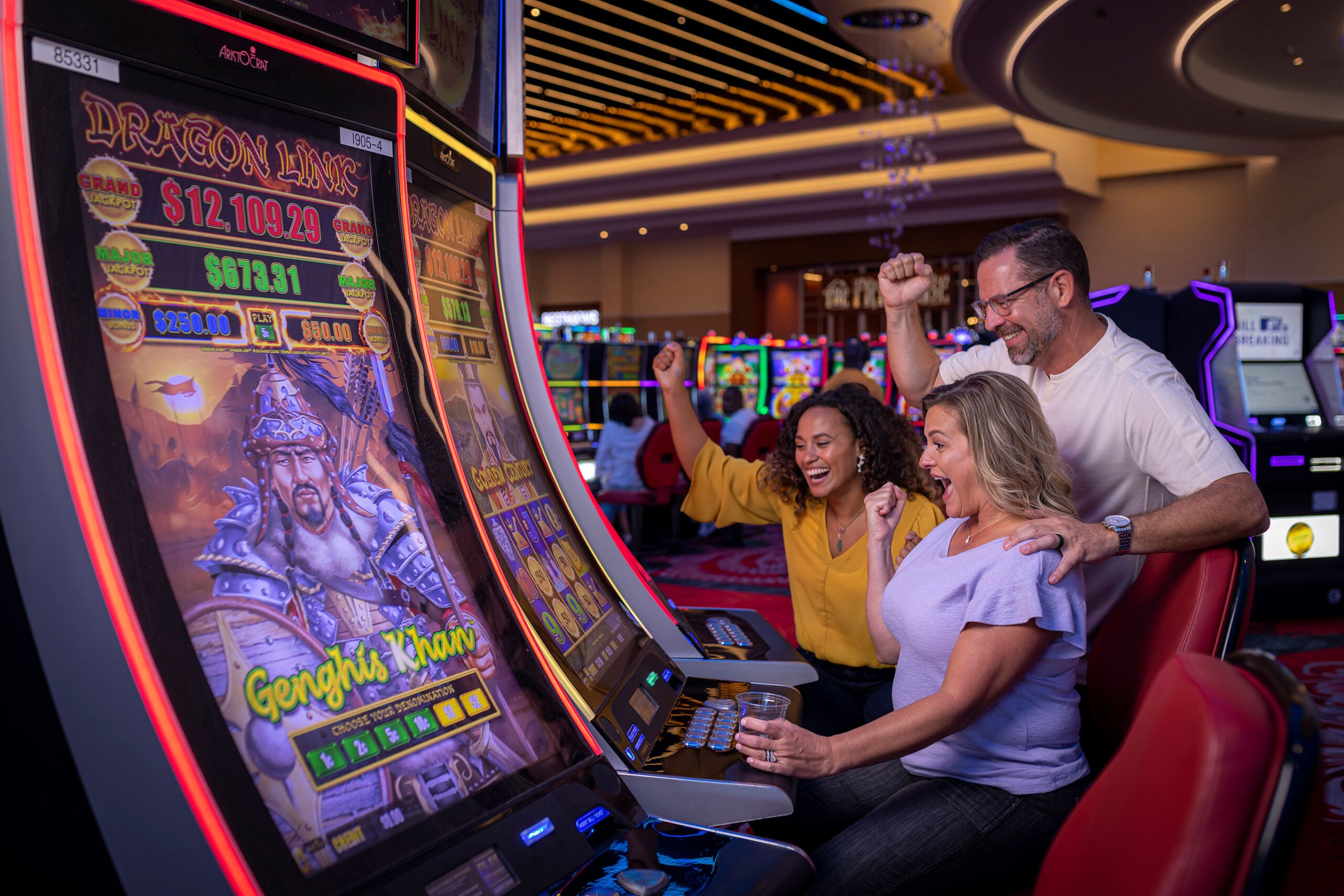
Furthermore, brick-and-mortar casinos have adapted by enhancing their offerings with luxurious accommodations, fine dining, and entertainment options that extend beyond gaming. The integration of technology, such as cashless gaming and virtual reality experiences, has redefined how patrons engage with casinos, ensuring their relevance in a rapidly evolving entertainment landscape.
Conclusion and Future Outlook
As we explore the evolution of casinos, it becomes clear that they have always reflected societal changes and technological advancements. From ancient gaming activities to lavish modern resorts, casinos continue to evolve in response to consumer desires and technological innovations. The future of casinos promises to be even more exciting as they adapt to the digital age and continue to create immersive experiences for players.
The journey of casinos is a testament to their enduring appeal and adaptability. Whether in a glamorous Las Vegas resort or a user-friendly online platform, the thrill of gambling will continue to captivate audiences for generations to come.